
The Homeowner’s Permit Cheat Sheet for Raleigh Remodels (Verified and Code-Accurate)
If you are planning a remodel in Raleigh, understanding permit rules is just as important as choosing materials or setting a budget. Raleigh follows the North Carolina Residential Code and has its own local process for when homeowners must apply for permits, how inspections are scheduled, and which trades require licensed professionals.
This guide sticks only to confirmed rules. No speculation. No generalizations. Only what the City of Raleigh and the State of North Carolina actually require.
1. When Raleigh Requires a Residential Building Permit
You must apply for a building permit for any residential project that involves:
Structural work
● Removing, adding, or altering load-bearing or non load-bearing walls.
● Modifying beams, columns, headers, or structural framing.
● Adding rooms, finishing attics, converting garages, or building an addition.
New construction or expansions
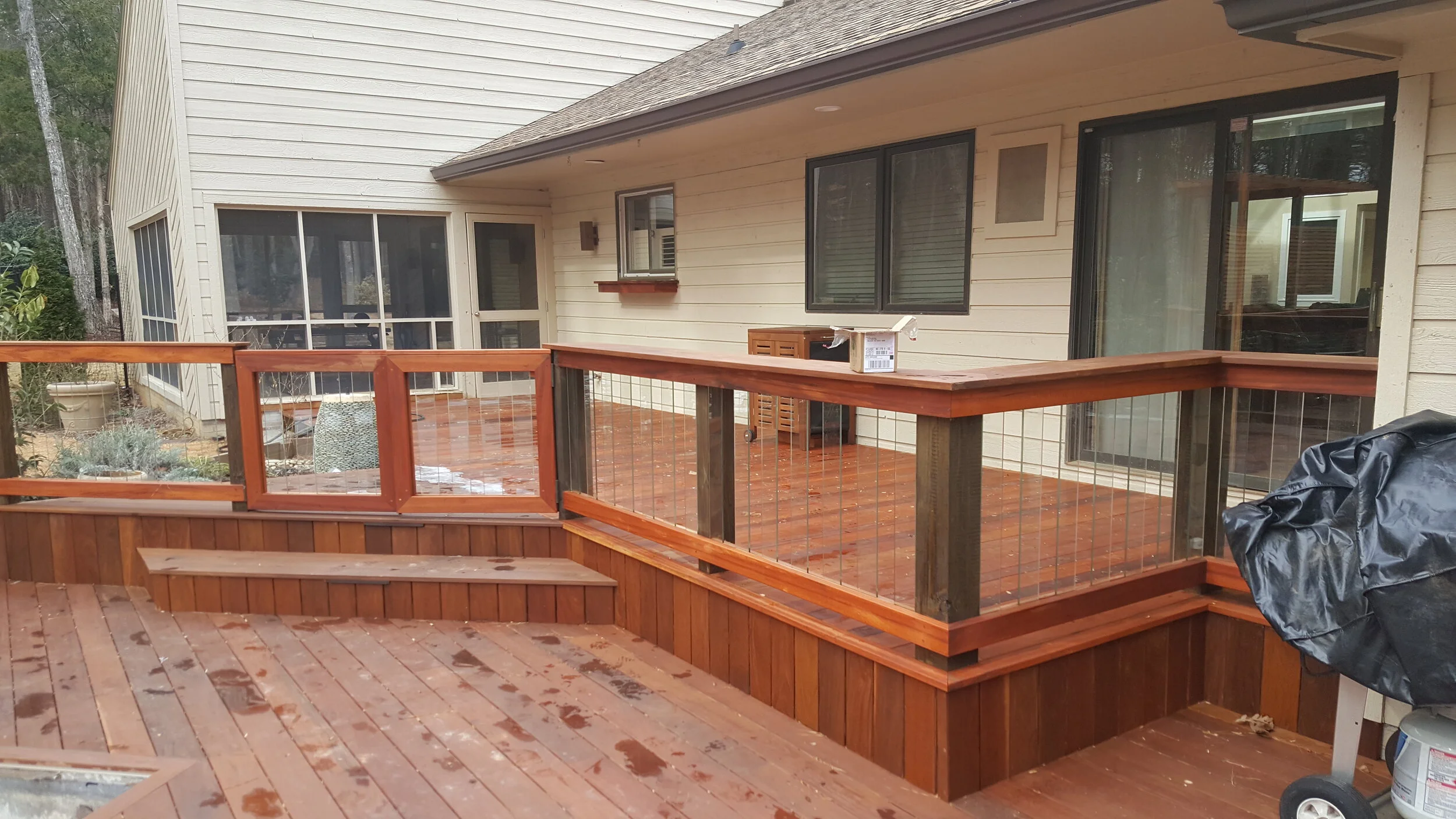
● Decks (new or replacement) when the deck is attached to the house.
● Porches, sunrooms, or accessory structures larger than 12 feet in any dimension.
Window and door changes
● Changing the size or structural opening of a window or door.
● Replacing windows or doors when the opening is altered or reframed.
These requirements come directly from the North Carolina Residential Code and the Raleigh Development Services permit guidelines.
2. When Raleigh Requires a Trade Permit
Trade permits are separate from building permits. They cover electrical, plumbing, and mechanical work. These must be completed by licensed contractors unless you qualify for the homeowner exemption.
Electrical permit required when:
● Installing new circuits or outlets.
● Upgrading electrical service or panel boxes.
● Running new wiring or relocating wiring.
● Installing recessed lighting, EV chargers, or generators.
● Replacing or installing hardwired appliances.
Plumbing permit required when:
● Installing or relocating supply lines or drain lines.
● Moving plumbing fixtures such as sinks, showers, bathtubs, or toilets.
● Replacing water heaters (tank or tankless).
● Installing new exterior hose bibs.
Mechanical permit required when:
● Installing or replacing HVAC units.
● Adding or relocating ductwork.
● Installing exhaust fans that require new ducting.
● Installing gas piping or modifying existing gas lines.
These requirements come from the North Carolina General Statutes and the Raleigh permit handbook.
3. Work That Does Not Require a Raleigh Permit
Raleigh allows homeowners to complete certain improvements without a permit, as long as they do not involve structural changes or trade work. Confirmed examples include:
● Painting interior walls.
● Installing flooring (tile, hardwood, vinyl, carpet).
● Replacing cabinets when layout does not change.
● Replacing countertops.
● Installing trim or molding.
● Swapping plumbing fixtures if no pipes move.
● Replacing lighting fixtures in the same location without adding circuits.
● Repairs to drywall that do not affect fire ratings.
These exemptions are listed in the “Work Exempt from Permits” section of the North Carolina Residential Code.
4. Who Can Apply for Permits in Raleigh
You can apply for your own permits if:
● You are the homeowner.
● The home is your primary residence.
● You personally perform the work.
If a home remodeling contractor in raleigh does the work, they must apply for the permit using their license. Raleigh verifies licenses through the NC Licensing Board.
5. How Raleigh’s Permit Process Works
Raleigh uses the Permit and Development Portal for all applications. The process follows these steps:
1. Application submission
You upload plans, a scope of work, and supporting documents.
2. Plan review
Projects are reviewed by building, zoning, fire, and trade reviewers, depending on scope.
3. Permit issuance
You receive a permit card with inspection stages listed.
4. Inspections during construction
Inspections are required at specific points. The most common residential inspections include:
○ Footing
○ Foundation
○ Framing
○ Electrical rough-in
○ Plumbing rough-in
○ Mechanical rough-in
○ Insulation
○ Final building
○ Final trade inspections
5. Final approval
Once all inspections pass, Raleigh closes the permit.
These steps come directly from the official City of Raleigh Development Services workflow.
6. Work That Must Not Begin Before Permit Approval
Raleigh states clearly that no construction may begin until the permit is issued. This includes:
● Demolition
● Framing alterations
● Relocation of plumbing or electrical lines
● Removal of load-bearing elements
If work begins early, the inspector can require the area to be opened for examination or require corrections. This is a confirmed enforcement rule from Raleigh inspectors.
7. Special Rules Raleigh Homeowners Should Know
Here are a few details that come directly from Raleigh permitting standards and the State Code.
Water heaters always require a plumbing permit.
Tank or tankless, replacement or new install.
Decks require permits when attached or above 30 inches.
Freestanding decks sometimes qualify for exemptions, but height and size matter.
Egress rules apply to basement or attic bedrooms.
Any new sleeping space must have an approved emergency escape opening.
Garage conversions must meet standards for conditioned living space.
This includes insulation, ventilation, electrical, and structural compliance.
8. Why a licensed Raleigh remodeling contractor makes the process smoother
A licensed contractor:
● Knows which permits apply to your specific project.
● Prepares drawings and documents to code standards.
● Coordinates required inspections in the correct order.
● Communicates with the city when a recheck is needed.
Raleigh’s system is strict but predictable. Contractors who work in Wake, Johnston, and Durham counties regularly understand the requirements clearly and prevent delays for homeowners.
Permits are not optional for most Raleigh home remodeling & design projects. They exist to protect your safety, your investment, and the long-term value of your home. By following the official rules and working with experienced professionals, you avoid costly corrections and move through the process without surprises.